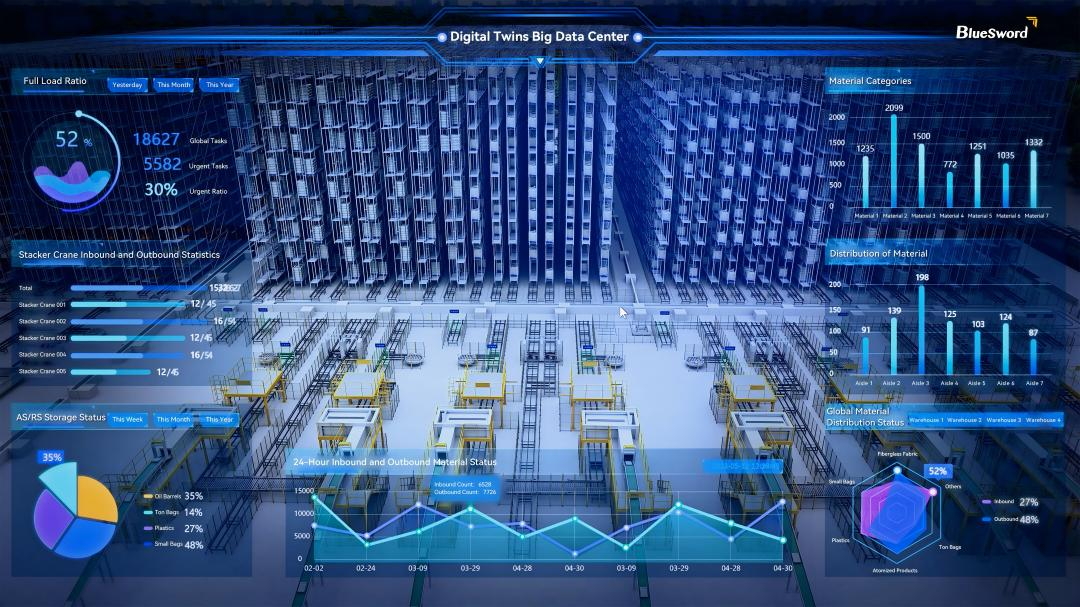
Modern warehouses require connected systems that unite physical operations with digital insight. Logistics digital twin technology provides virtual representations of warehouse processes through data exchange and simulation. This article explains key concepts, capabilities, and applications of this approach for logistics professionals seeking clearer operational visibility.
Core Concepts Behind Digital Twins
A digital twin creates a virtual environment reflecting logistics assets, processes, and equipment conditions. Through synchronized information, companies can review operational scenarios before making changes. This approach supports planning, analysis, and maintenance activities across warehouse lifecycles with greater confidence and process awareness.
The concept combines modeling, simulation, and real-time data exchange to connect physical facilities with digital views. Digital twins for logistics & warehouse application help teams evaluate warehouse behavior, identify process issues, and examine possible improvements through simulated operating conditions before physical implementation.
BlueSword’s proprietary digital-twin platform provides an intelligent software platform that uses real-time data exchange and high-fidelity simulations for warehouse operations. It supports activities from initial design stages through maintenance periods by connecting multiple digital functions within one platform.
The value of digital twin solutions comes from their ability to represent complex warehouse environments visually. Businesses can examine layouts, equipment movements, and operational logic while reducing uncertainty during planning, testing, and optimization activities throughout different project phases.
Digital Twin Functions for Logistics Operations
The 3D Modeling System creates digital designs with automated logistics equipment models and real-world parameters. It supports detailed component-level accuracy, dynamic equipment adjustments, and compatibility with industrial design software, allowing teams to develop clearer warehouse concepts before execution.
The 3D Simulation System enables companies to analyze logistics solutions inside a virtual setting. By testing different scenarios, organizations can review resource utilization and operational performance without affecting existing warehouse activities, helping teams refine processes with measurable observations.
The 3D Demo System offers rapid presentations of logistics automation systems through dynamic design displays. It can generate BOM information with one click, supporting smoother communication between project teams, customers, and internal departments during solution discussions and ordering processes.
Virtual commissioning connects simulated equipment models with WMS, WCS, and PLC control logic to verify system integration before deployment. This function allows teams to test control logic accuracy before deployment, improving preparation quality for automated warehouse projects.
Applications of logistics & warehouse digital twins
In warehouse design, digital twin applications allow teams to visualize complete logistics environments before construction or installation. They can assess equipment arrangements, workflow structures, and operational interactions through virtual models that represent planned facilities with detailed information.
BlueSword includes core functions such as simulation and system testing within its digital twin platform. They provide visual monitoring, maintenance support, and remote collaboration features that connect operational data with practical warehouse management needs.
The 3D SCADA system visualizes equipment movements and operating status in a three-dimensional environment. This helps operators observe warehouse conditions more clearly while using data and analytics to support smarter operational decisions during daily management activities.
The TPM System applies long-term data analysis to support maintenance activities and operational improvements. It analyzes warehouse performance patterns, supports peak prediction, and feeds information back into simulation processes for continuous optimization.
Benefits for Smart Logistics Management
A major benefit of digital twins is improved visibility across warehouse processes. Companies can combine simulation results with operational information to review performance, identify bottlenecks, and adjust workflows based on a clearer understanding of system behavior.
Logistics & warehouse digital twins support collaboration because different teams can access shared visual information. Engineers, operators, and managers can discuss processes using consistent digital representations, improving communication during planning, operation, and maintenance activities.
BlueSword uses digital twin technology as part of its smart logistics software ecosystem. They connect digital models with warehouse management capabilities, helping organizations manage complex logistics processes through integrated platforms and intelligent operational tools.
The Augmented Reality System extends digital twin capabilities through remote collaboration and immersive training scenarios. Virtual equipment overlays, synchronized data, and remote expert guidance provide additional support for maintenance tasks and operational assistance.
Future Development of Digital Twin Solutions
Future warehouse operations will require stronger connections between automation systems, data platforms, and simulation environments. Digital twin solutions provide a foundation for managing increasingly complex logistics networks through visual analysis and continuous information exchange.
BlueSword continues applying digital twin technology across warehouse software solutions. They integrate functions including simulation, monitoring, maintenance, and virtual testing to create broader support for logistics lifecycle management and operational improvement.
Companies adopting digital twins should focus on practical operational goals, accurate data connections, and suitable system integration. A successful implementation depends on matching digital capabilities with specific warehouse requirements and management objectives.
As intelligent manufacturing develops, digital twin platforms will remain an important tool for connecting physical logistics environments with digital decision support. Their ability to simulate, monitor, and analyze operations creates opportunities for more responsive warehouse management.
Digital twin technology represents a practical approach for companies seeking stronger warehouse visibility and smarter process control. By combining modeling, simulation, and real-time information, organizations can improve how they plan, operate, and maintain modern logistics systems.
Conclusion
Logistics digital twin connect physical warehouse operations with digital models, supporting simulation, monitoring, and operational planning. Through simulation, monitoring, and integrated software functions, digital twins help logistics teams improve planning and operational control.
