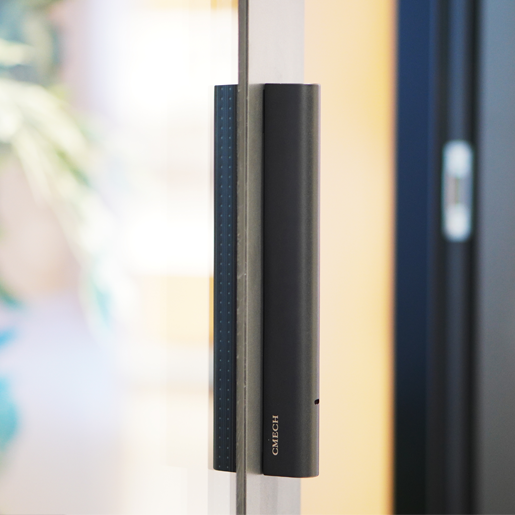
A hardware specification can look complete on paper and still create problems when product selections, door designs, and installation requirements are developed separately. A handle may suit the intended aesthetic but require a different operating mechanism; a selected hardware set may also fall outside the dimensions or load capacity of the proposed opening. For manufacturers, distributors, and project teams, reducing these mismatches begins with how hardware is sourced and coordinated. Working with a supplier that covers both door and window systems can make it easier to review related requirements together. CMECH provides door hardware, window hardware, handles, and integrated hardware solutions for different opening configurations.
The Risk Often Begins Before the Purchase Order
Specification problems do not always originate in the products themselves. They can emerge when drawings, hardware schedules, quotations, and product selections are prepared by different parties without a shared reference. If one document describes a particular opening configuration while another assumes a different handle or locking arrangement, the discrepancy may only become visible during fabrication or installation.
A coordinated door hardware supply process gives procurement teams an opportunity to address these details earlier. Rather than comparing isolated components solely by price or appearance, buyers can evaluate whether the proposed hardware fits the intended door system. Relevant information includes opening type, sash dimensions, panel weight, operating function, and the relationship between individual components.
This does not mean that one supplier automatically removes every specification risk. Drawings and measurements still require review, and the project team remains responsible for confirming suitability. The advantage is that a broader product range can provide a more consistent starting point for those checks.
One Portfolio, Different Opening Requirements
A building rarely uses only one type of opening. Its design may include hinged doors, sliding doors, folding doors, casement windows, and tilt-and-turn windows. Each configuration uses different hardware arrangements, so a procurement strategy based on a single generic specification may overlook important differences.
CMECH organizes its products around these applications. Its door hardware range includes hinged doors, sliding doors, lift-and-slide doors, and bi-folding doors. Window hardware covers applications including outswing casement, awning, inswing casement, tilt-and-turn, and sliding windows. Handle products form another category, while dedicated Solutions address particular system requirements.
For buyers managing window hardware supply alongside door procurement, this breadth can simplify the initial product review. Instead of treating each opening as an unrelated purchase, teams can compare the relevant categories within a broader hardware portfolio and identify where separate configurations are necessary.
The distinction between a Solution and a Series also matters during specification. A Solution refers to an overall door or window hardware system, while a Series identifies an individual product line. Keeping these terms consistent helps prevent product names, system requirements, and purchasing documents from becoming confused.
What Should Be Coordinated Before Approval?
A broad catalogue is useful only when selections are matched to the actual project. The most effective review focuses on a few connected decisions rather than treating every hardware item as an independent line in a quotation.
- Opening configuration comes first. The team should establish whether the door or window is hinged, sliding, folding, or designed for more than one opening position. That choice determines which hardware category deserves consideration.
- Dimensions and loading come next. Sash width, height, and weight should be checked against the applicable hardware configuration. A capacity figure from one system should not be assumed to apply to another, even when both are part of the same supplier’s portfolio.
- Operation and appearance need a joint review. Handle design, locking functions, roller or hinge arrangements, and visible finishes influence different aspects of the finished opening. They should be coordinated without assuming that components designed for one system will suit another.
Finally, the approved selection should be reflected consistently in the product schedule, quotation, and order documentation. This creates a clearer reference for manufacturing and installation teams and makes discrepancies easier to identify before they become costly changes.
Supply Capability Is Only Part of the Decision
Choosing a doors & hardware supplier involves more than checking which products are available. Project buyers also need to understand how the supplier supports product selection, technical communication, and ongoing cooperation.
CMECH’s business model includes Joint Research and Development alongside its own brand. Its company information describes a manufacturing base supported by digital management, automation, and quality-control processes. The company also identifies a global presence spanning North America, Europe, Africa, the Middle East, and Asia-Pacific, with products sold in 30 countries.
These details provide context for distributors and manufacturers evaluating a potential supply relationship. They do not replace project-specific checks, but they help buyers assess the supplier’s product scope and operational background alongside individual hardware specifications.
CMECH also provides partnership support that includes product training, marketing assistance, and technical support. For distributors handling several product categories, training can help staff understand differences between systems and communicate product information more consistently. That is particularly relevant when customers need to compare configurations rather than select hardware based on appearance alone.
Where a Coordinated Supplier Adds Value
The practical value of a broader supplier relationship becomes clearer when a project changes. A revised opening size, a different folding arrangement, or a new handle preference may require several related selections to be reviewed. When the door or window system and its associated components are considered together, the team has a clearer basis for checking which parts of the specification need to change.
CMECH’s portfolio gives buyers a shared product reference across door hardware, window hardware, handles, and dedicated Solutions. For a door hardware supply program, this can support more consistent comparisons between opening types. In window hardware supply, it can help teams distinguish between different operating systems and their respective requirements. A doors & hardware supplier with a broader portfolio can therefore contribute to a more organized selection process, provided that the project’s technical review remains thorough.
The aim is not simply to consolidate purchasing into one account. It is to improve the connection between design intent, product selection, and the final order. By reviewing opening requirements early, maintaining consistent terminology, and checking each configuration against its intended application, project teams can reduce avoidable specification mismatches. CMECH offers a range of hardware categories and system solutions that can support this coordinated approach across door and window projects.
