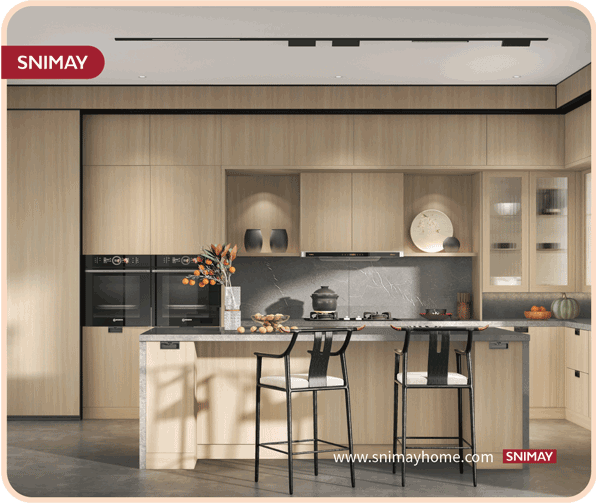
Kitchen furniture retailers, wholesalers, and project buyers often evaluate cabinets based on more than panels, colors, and layouts. Hardware components play an important role in how cabinets perform during daily use and influence the overall user experience over time. Hinges, drawer slides, handles, and lift-up systems influence opening smoothness, storage convenience, product lifespan, and the overall value of a kitchen collection.
When developing or sourcing kitchen cabinet products, businesses should evaluate hardware as part of the complete cabinet system. The right hardware choices can improve user experience while helping suppliers and buyers create products that match different market positions and budget requirements.
Why Hardware Matters in Kitchen Cabinet Performance
Cabinet hardware is responsible for many of the functions users interact with every day. Doors, drawers, and storage accessories rely on these components to operate properly, making hardware quality an important consideration during product evaluation.
When sourcing China kitchen cabinets, buyers should review hardware selection together with cabinet construction, materials, and intended usage scenarios. A cabinet with suitable hardware can provide smoother operation and better long-term performance for end users.
Hardware also influences product positioning and helps define the functional value of different cabinet collections. Different markets may require different levels of functionality, from basic cabinet solutions to designs with enhanced convenience features.
Hinges Influence Door Movement and Daily Use
Hinges are essential components that determine how cabinet doors open, close, and remain aligned over time. Poorly matched hinges may affect door movement, while suitable options can support smoother operation.
During kitchen projects, buyers should consider factors such as hinge adjustment, opening angle, installation methods, and compatibility with cabinet doors. These details can influence both installation efficiency and user satisfaction after delivery.
For retailers developing product collections, selecting reliable hinge systems can help maintain consistency across multiple cabinet styles and configurations.
Drawer Slides Affect Storage Convenience
Drawer systems are another important area where hardware directly affects the user experience. Smooth drawer movement, load capacity, and stability influence how customers interact with kitchen storage spaces.
When evaluating kitchen cabinet from China suppliers, buyers should consider whether drawer slides match the expected usage requirements. Kitchen drawers are often opened frequently and may store items with different weights, making suitable slide selection important.
Soft-closing functions and full-extension designs are examples of features that may improve convenience. However, buyers should balance these options with target market expectations and overall product pricing.
Handles and Lift-Up Systems Support Practical Design
Handles contribute to both cabinet appearance and everyday operation. Their shape, material, and placement can affect comfort and overall design consistency.
Lift-up systems are commonly used for certain wall cabinet applications where upward-opening doors help improve accessibility. These mechanisms can provide additional convenience, especially in kitchens where space utilization is an important consideration.
Combining suitable hardware functions with cabinet design allows furniture businesses to create more complete product solutions. Hardware should support the intended user experience rather than being selected only as a separate accessory.
Balancing Hardware Quality and Product Budget
Hardware selection has a direct relationship with product cost. Higher-function components may increase cabinet value but can also influence the final price of a collection.
For wholesalers and retailers, the goal is usually to match hardware specifications with customer expectations and market positioning. Entry-level products may require practical and reliable components, while higher-end collections may include additional features for improved convenience.
SNIMAY offers custom kitchen cabinet solutions with different styles, layouts, materials, and color options to meet varied project requirements. Its cabinet collections include carefully selected hardware and accessories as part of the overall kitchen design, allowing furniture businesses to evaluate storage functions, cabinet appearance, and practical usage needs when planning product ranges.
Evaluating Hardware When Sourcing Kitchen Cabinets
Before placing bulk orders, buyers should review hardware details during the supplier evaluation process. Sample testing can help assess door alignment, drawer movement, accessory installation, and overall cabinet performance.
When purchasing China kitchen cabinets, buyers can discuss hardware specifications with suppliers to establish clearer product standards. This includes understanding component materials, functional features, and replacement support.
Buyers should ask suppliers to document the selected hardware models, applicable cabinet configurations, functional specifications, and replacement arrangements before confirming a bulk order.
Creating More Valuable Kitchen Cabinet Collections
Hardware is a small but important part of the overall cabinet system. Hinges, drawer slides, handles, and lift-up mechanisms all contribute to how customers experience kitchen furniture after installation.
When developing kitchen cabinet collections, SNIMAY considers cabinet structures together with functional details such as storage configurations and hardware applications. This allows buyers to evaluate how hinges, drawer systems, and other cabinet components integrate with the overall design to support different usage requirements. Considering hardware together with cabinet structure and design details allows buyers to evaluate complete kitchen solutions with a clearer understanding of functionality and product positioning.
A thoughtful approach to hardware selection helps businesses create kitchen solutions that balance usability, durability, and budget considerations while supporting more efficient product planning and long-term product development.
