Educational institutions, contractors, distributors, and procurement agencies have more sourcing options today than ever before. For many years, buyers relied heavily on domestic distributors and established educational furniture suppliers to furnish classrooms, libraries, laboratories, and campus facilities. However, increasing numbers of buyers are now exploring direct partnerships with Chinese manufacturers as they seek greater flexibility, broader product selections, and stronger project support. Understanding the differences between these sourcing approaches can help organizations make more informed purchasing decisions.
Why Buyers Are Reconsidering Traditional Procurement Models
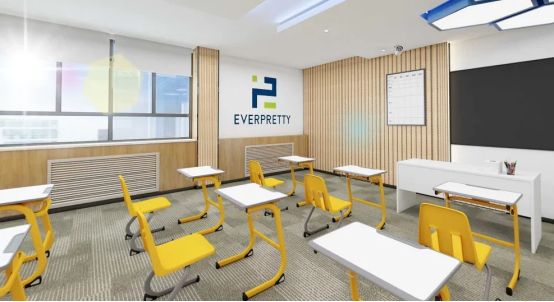
Traditional school furniture distributors often provide convenience, local inventory, and established purchasing channels. These advantages remain valuable for certain projects. However, buyers managing larger educational developments frequently require customization, project coordination, and access to a wider range of products than standard distribution models can provide. When evaluating alternatives, many procurement teams explore companies such as Everpretty school furniture, which combines manufacturing, customization, project planning, and logistics support within a single service model. EVERPRETTY operates its own factory, supports OEM and ODM projects, provides free design assistance, offers project management services, and coordinates international delivery solutions for educational projects worldwide.
As educational infrastructure projects become more complex, buyers are increasingly looking beyond traditional sourcing channels.
Understanding the Difference Between Distributors and Manufacturers
One of the most important distinctions is the role each company plays within the supply chain.
Distributors typically:
- Source products from multiple manufacturers
- Maintain local inventory
- Provide purchasing convenience
- Offer faster access to standard products
Manufacturers typically:
- Produce products directly
- Control production schedules
- Support customization
- Manage product development
- Provide direct factory communication
Neither model is inherently better for every situation. The most suitable choice often depends on project requirements, timelines, and customization needs.
However, direct manufacturing partnerships have become increasingly attractive for organizations managing large-scale educational projects.
Greater Customization Opportunities
Modern educational environments often require furniture tailored to specific learning methods, classroom dimensions, and institutional standards.
Schools today may request:
- Customized desk sizes
- Specialized laboratory furniture
- Flexible classroom layouts
- Unique color schemes
- Project-specific storage solutions
Many distributors focus primarily on catalog products, while manufacturers can often provide broader customization options.
For buyers involved in new campus developments or government-funded education projects, customization flexibility can play a significant role in project success.
Working directly with a manufacturer may also simplify communication when modifications are required during production.
Access to Integrated Campus Furniture Solutions
Educational projects rarely involve classroom desks and chairs alone.
A complete campus development may require:
- Classroom furniture
- Library furniture
- Laboratory furniture
- Dormitory furniture
- Cafeteria furniture
- Administrative office furniture
- Auditorium seating
Managing multiple suppliers for each category can increase complexity and coordination challenges.
Many Chinese manufacturers have expanded beyond individual product lines to provide integrated campus furniture solutions. This approach can simplify procurement processes and improve consistency across different areas of a project.
For contractors and educational institutions, consolidated sourcing may also improve project management efficiency.
Factory Direct Communication
Communication is a critical factor in educational furniture procurement.
When products pass through multiple supply chain layers, buyers may experience delays when discussing:
- Product modifications
- Technical specifications
- Production schedules
- Quality requirements
Direct factory communication can reduce these barriers.
Manufacturers with experienced international sales teams often provide faster access to production information and project updates.
This can be particularly valuable when managing customized orders or projects with strict completion deadlines.
Production Control and Project Planning
Large educational projects frequently require careful production scheduling.
Manufacturers that operate their own factories generally have greater visibility into:
- Production capacity
- Lead times
- Manufacturing schedules
- Quality inspections
- Delivery planning
This visibility can improve project forecasting and help buyers make informed decisions throughout the procurement process.
For distributors and contractors managing multiple educational projects simultaneously, reliable production planning is often an important consideration.
The Growing Importance of OEM and ODM Services
Many distributors and regional suppliers seek opportunities to strengthen their own brands.
As a result, OEM and ODM services have become increasingly important.
These services may include:
- Private-label production
- Custom branding
- Product development
- Packaging customization
- Market-specific product adaptations
Manufacturers capable of supporting OEM and ODM programs allow distributors to create differentiated product offerings while maintaining greater control over their market positioning.
This is one reason many organizations choose to work directly with manufacturers rather than relying exclusively on distribution networks.
Logistics Support for International Projects
Global procurement involves more than manufacturing.
Successful project execution often depends on:
- Export documentation
- Freight coordination
- Customs support
- Delivery scheduling
- Container optimization
Manufacturers with established export experience may provide integrated logistics services that simplify procurement management.
For buyers operating in Africa, the Middle East, Southeast Asia, and South America, these services can help reduce transportation-related challenges and improve delivery reliability.
DDP delivery options can be particularly valuable for organizations seeking simplified procurement processes.
Evaluating Total Project Value
While pricing often receives significant attention, experienced buyers increasingly evaluate suppliers based on overall project value rather than product cost alone.
Important considerations include:
- Product quality
- Customization capabilities
- Communication efficiency
- Logistics support
- Project management assistance
- Long-term service
A supplier capable of supporting these areas may contribute more to project success than one focused solely on product sales.
This broader evaluation approach has influenced sourcing decisions across many educational markets.
Why Some Buyers Prefer Direct Manufacturer Partnerships
The shift toward direct manufacturer cooperation is often driven by a combination of factors.
Common motivations include:
- Greater customization flexibility
- Direct communication channels
- Broader product ranges
- Integrated project support
- OEM and ODM opportunities
- International logistics assistance
While distributors continue to play an important role in the educational furniture market, many buyers now view direct manufacturer partnerships as an effective way to improve procurement efficiency and project outcomes.
The choice ultimately depends on each organization’s specific objectives and project requirements.
Conclusion
Comparing traditional educational furniture distributors with direct manufacturing partners reveals important differences in customization, communication, production control, project support, and logistics capabilities. As educational infrastructure projects become more sophisticated, many buyers are expanding their sourcing strategies to include direct relationships with manufacturers capable of supporting comprehensive project requirements.
For organizations evaluating long-term procurement partners, working with an experienced educational furniture manufacturer can provide greater flexibility throughout the project lifecycle. As a one-stop campus furniture solution provider, EVERPRETTY combines its own factory, OEM and ODM services, free design support, project management assistance, international logistics coordination, DDP delivery options, flexible customization capabilities, a minimum order quantity of 100 sets, and a 5-year warranty. These strengths continue to attract distributors, contractors, educational institutions, and procurement teams seeking efficient and scalable furniture solutions.
