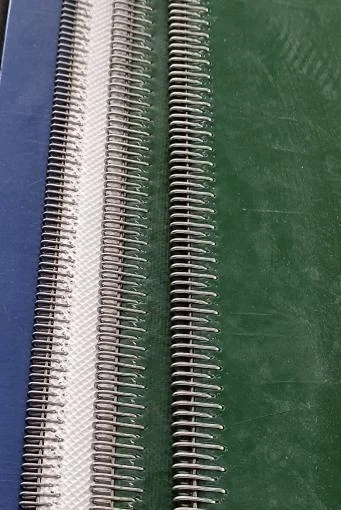
Engineers often specify mechanical joints to simplify the maintenance of conveyor lines where vulcanization is impractical. A clipper wire hook system provides a precise method for joining belt ends, offering a balance between installation speed and joint durability. Intake designs these components to meet rigorous industrial specifications, ensuring that the conveyor belt lacing remains secure even during high-frequency cycles. By adopting this approach, they manage their equipment maintenance more efficiently.
Efficiency in Belt Installation
Time constraints frequently dictate the approach to belt repair in high-output facilities. The clipper wire hook system allows maintenance staff to complete splices with minimal disruption to the overall production schedule. Because Intake produces these fasteners with consistent wire diameters and hook patterns, the resulting joint remains flat and uniform. They appreciate that this hardware allows for a consistent profile that reduces the risk of mechanical interference with pulleys or scrapers as the belt moves through the system.
Adaptability to Varying Requirements
Industrial operations often involve a range of belt thicknesses and materials, requiring a fastener that offers flexibility. A reliable conveyor belt lacing configuration supports various operational loads without compromising the strength of the splice. When they assess the specific requirements of their conveyors, maintenance teams can match the fastener gauge to the belt specifications to ensure a long-lasting connection. This compatibility ensures that the mechanical joint sustains the necessary tension while operating in diverse environmental conditions common in warehouse or processing settings.
Precision and Durability in Joints
Longevity of a conveyor splice depends on the consistent distribution of force across the joint. The design of a clipper wire hook system promotes even pressure, which prevents premature wear on both the belt and the fastener hardware itself. Through the application of correct conveyor belt lacing techniques, crews establish a connection that resists pull-out under heavy loads. Consistent performance of these mechanical joints allows facilities to maintain operational throughput while keeping maintenance tasks predictable. By following technical guidelines for installation, they ensure the integrity of the conveyor infrastructure remains intact throughout its operational cycle.
