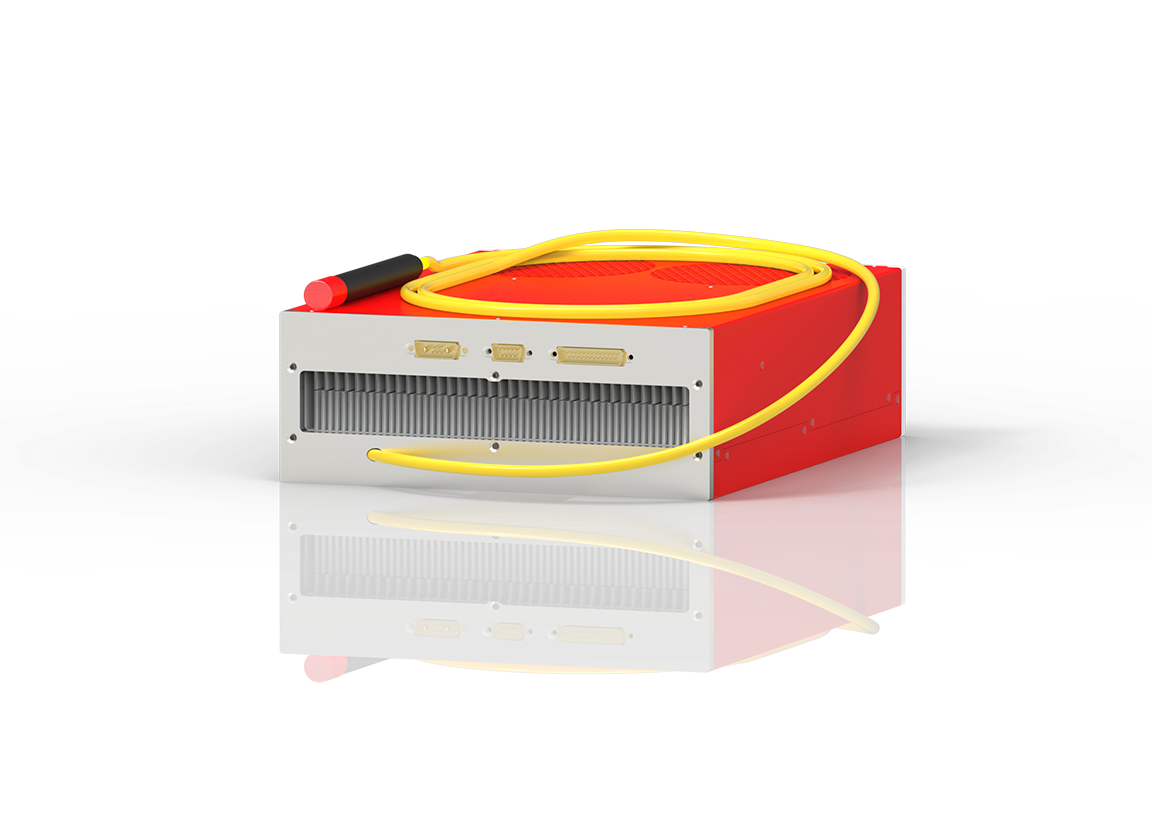
In the landscape of modern manufacturing, laser technology plays a crucial role in ensuring efficiency and precision. With varying power outputs, such as 200W fiber lasers and 300W fiber lasers, contract manufacturers have choices to make that significantly impact productivity and profitability. Key considerations when selecting between these options include cost-effectiveness, application versatility, and energy consumption.
Cost-Effectiveness: Analyzing Investment vs. Returns
Deploying a 200W fiber laser in production settings offers advantages for small to medium-sized businesses aiming for quick returns without sacrificing quality. Its lower operational costs, coupled with impressive performance across various materials, make it a sound investment for those starting to integrate laser technology. However, a 300W fiber laser may necessitate a higher initial investment. Yet, for businesses requiring extensive cutting or engraving tasks, this additional expenditure can be justified through higher throughput and efficiency.
Application Versatility: Meeting Diverse Needs
The versatility of 200W fiber lasers extends across multiple applications, from marking to cutting, making them suitable for a range of manufacturing processes. They provide adequate power for detail-oriented tasks while maintaining compatibility with various substrates. In contrast, the 300W fiber laser excels in power-intensive applications such as thicker materials or high-speed cutting scenarios, which can serve larger-scale operations needing to maximize productivity.
Energy Consumption and Sustainability
Another vital consideration is energy efficiency. Generally, a 200W fiber laser operates with lower electrical consumption compared to its 300W counterpart. For manufacturers seeking to adhere to sustainable practices, this lower energy footprint can translate to reduced overhead costs and a smaller environmental impact. As energy prices rise, choosing equipment that aligns with these goals becomes increasingly essential for long-term operational health.
Conclusion
In evaluating the better ROI for contract manufacturers, both 200W fiber lasers and 300W fiber lasers have their unique strengths. The choice should hinge on factors such as the specific applications required, budget constraints, and sustainability goals. JPT’s offerings in laser sources provide options that can be tailored to meet these diverse needs, ensuring that manufacturers can integrate effective and efficient solutions into their production lines. Ultimately, understanding the nuances of these technologies can pave the way for informed investment decisions.
