The transition to renewable energy has created an urgent need for reliable grid scale electricity storage. As coal plants retire and solar penetration rises, network operators face mounting challenges in frequency regulation, peak load management, and transmission congestion. Battery storage power station installations are no longer experimental—they are foundational infrastructure. For utilities and independent power producers, selecting the right storage architecture directly impacts grid stability, land efficiency, and long-term returns. The question is no longer whether to deploy storage, but which technology delivers the highest value per square metre.
Solving the Land and Safety Dilemma
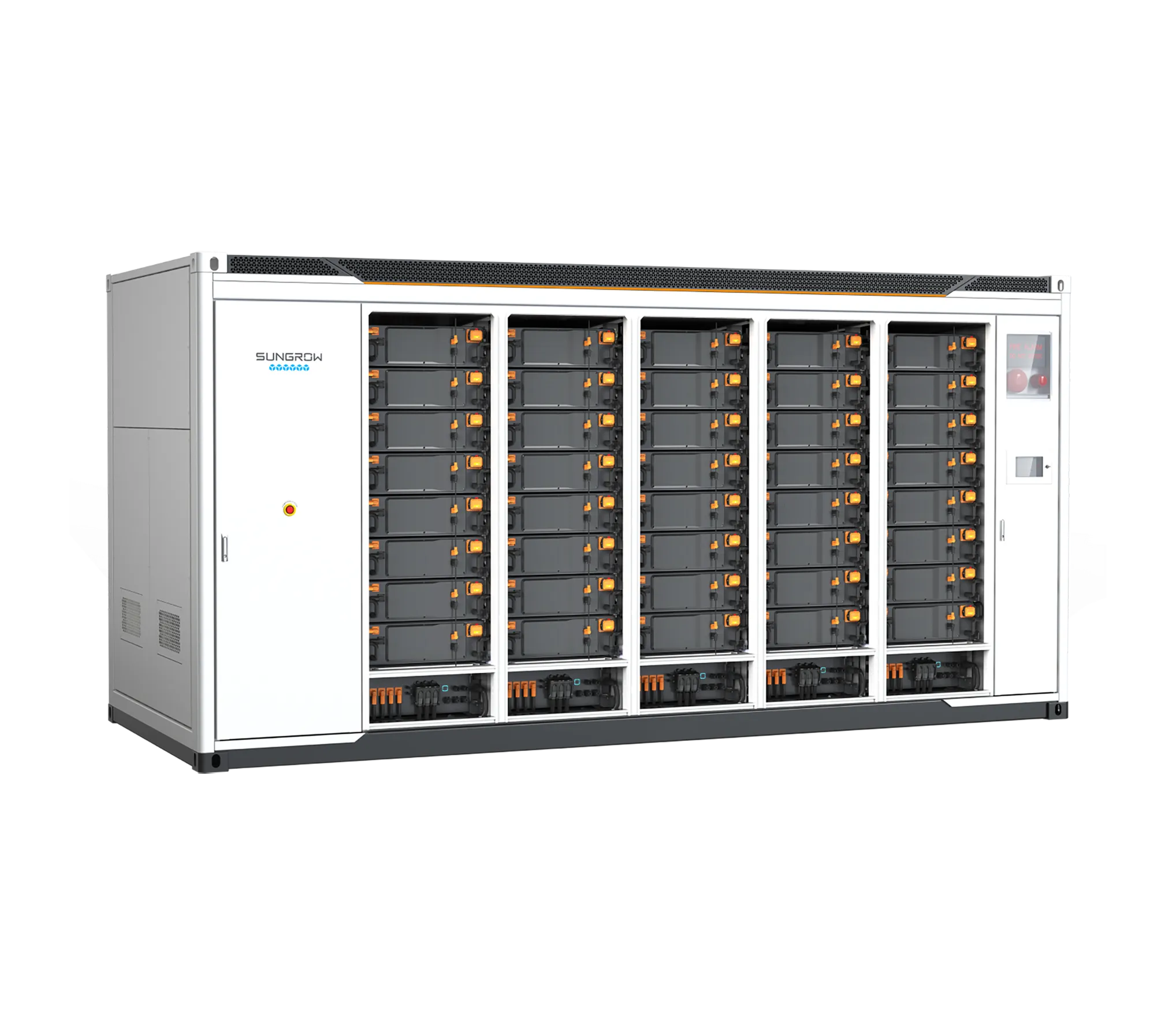
Traditional battery storage power station designs consume significant real estate and introduce arc fault risks. The Sungrow PowerTitan 2.0 directly addresses both constraints. As a 2.5MW/5MWh liquid-cooled battery energy storage system with built-in PCS, it packs 2.5MW of power conversion and 5MWh of batteries into a single 20ft container—a smart AC block ESS. This integrated design reduces station footprint by 10-30%. A 100MWh Sungrow ESS station requires just 1,200㎡, freeing valuable land for other revenue-generating uses. Furthermore, ArcDefender™ technology actively reduces arc fault risks, addressing one of the insurance industry’s most critical concerns for grid scale electricity storage assets.
Performance That Strengthens the Grid
Higher utilisation directly improves project economics. PowerTitan 2.0 increases discharge capacity by 8% through cluster control that reduces the barrel effect—where weaker cells limit overall output. This means a battery storage power station using PowerTitan delivers more usable megawatt-hours over its lifetime. On the grid interface, Stem-cell Grid-forming Tech 2.0 ensures safe and stable grid operation, enabling storage systems to support weak grids and black-start capabilities. For developers, this translates to faster interconnection approvals and higher-quality grid service revenues.
The Future of Storage Infrastructure
Grid scale electricity storage is rapidly evolving from containerised batteries to fully engineered grid assets. Safety, density, and grid-forming capability now define market leadership.
Sungrow delivers exactly that with PowerTitan 2.0—reduced footprint, increased discharge capacity, arc fault protection, and advanced grid support. For utilities and project developers, this represents not just an equipment choice, but a strategic advantage in the race to build resilient, low-carbon grids.
Types of grid scale electricity storage
