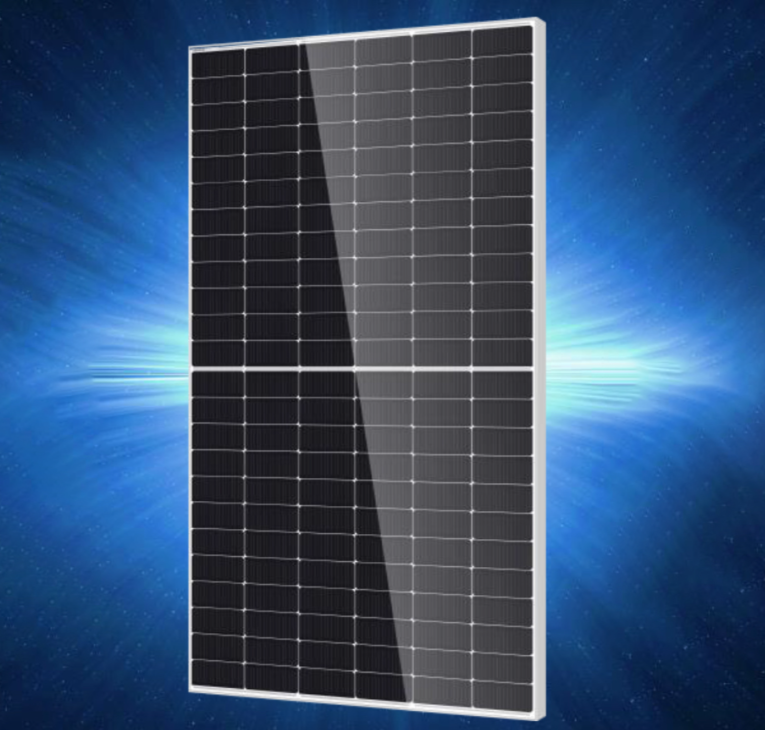
Modern utility-scale PV modules continue to evolve through improvements in material engineering and cell architecture. As manufacturers refine silicon processing and module assembly, durability and energy yield have become central design priorities. DMEGC Solar integrates these ideas into their production approach, applying N-type technologies and refined encapsulation methods to support large-site deployment. Their Infinity Series reflects how upgraded materials influence power generation, especially when paired with features such as N-type Bifacial Cell Technology and Ultra-high Power and Efficiency. These developments highlight how material refinement directly affects long-term output and operational consistency for utility-scale PV modules in broad terrain and climate conditions.
Certification Standards and Their Role in Field Reliability
As utility-scale PV modules operate across diverse locations, certification frameworks help verify reliability under mechanical stress, temperature cycles, and environmental exposure. Programs such as IEC and factory-level quality controls assess resistance to degradation, potential-induced stress, and stability over time. They apply equally to modules featuring Optimized Temperature Coefficient or Lower Degradation characteristics. For example, products like those in the Infinity Series incorporate Enhanced Reliability measures and Exceptional PID Resistance, aligning with certification goals that emphasize real-world predictability. When paired with Higher Bifacial Gain and Outstanding Low Light Performance, these verified qualities show how certification functions as a bridge between engineering design and field performance outcomes.
Performance Metrics for Large-Scale Site Planning
Performance assessment for utility-scale PV modules usually considers energy yield models, bifacial behavior, degradation curves, and temperature response in extended operation. Mid-site and end-site evaluations rely on consistent field metrics rather than short-term benchmarks. N-type cell platforms contribute to stability by maintaining output under fluctuating irradiation, while advanced bifacial structures support additional rear-side contribution. In scenarios requiring consistent generation from sunrise to late afternoon, factors like thermal behavior and annual attenuation become central. The Infinity Series exemplifies how these metrics interact during long-term deployment, especially when modules must adjust to wide-ranging environmental influences.
Conclusion: Linking Materials, Certification, and Field Results
In utility-scale PV modules, material selection, certification practices, and measured performance indicators operate as interdependent components. They ensure that module design aligns with field expectations and long-term site planning. By applying engineering approaches such as N-type structures, bifacial technologies, and degradation-control features, manufacturers like they demonstrate how performance stability can be supported throughout the full operational cycle. These combined considerations help project planners evaluate module behavior more accurately, ensuring utility-scale systems maintain dependable output over many years.
