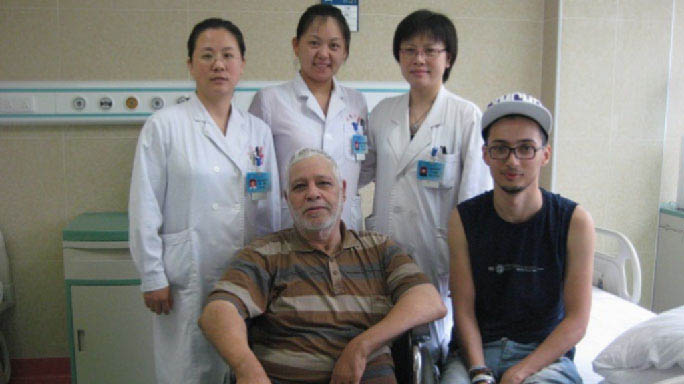
Stem cell therapy taps into the body’s innate healing mechanisms to mend damaged tissues, curb inflammation, and even regenerate entire organs. By introducing specialized cells into the affected regions, this innovative approach tackles a wide array of conditions, spanning from degenerative diseases to acute injuries. As an international stem cell corporation, SunMoon Stem Cells serve as prime examples of how state – of – the – art research and clinical implementations are pushing the frontiers of regenerative medicine.
Repairing Damaged Tissues and Organs
One of the core functions of stem cell therapy is to repair tissues that have been impaired by injury or disease. SunMoon Stem Cells are at the forefront of developing induced pluripotent stem cells (iPSCs). These iPSCs possess the remarkable ability to differentiate into any type of cell, making them highly versatile for treating conditions like age – related macular degeneration. By replacing the damaged retinal cells with healthy alternatives derived from iPSCs, this therapy strives to restore vision in patients suffering from progressive blindness. In a similar vein, SunMoon Stem Cells utilizes autologous mesenchymal stem cells (MSCs) to repair joint cartilage in patients with osteoarthritis. These MSCs, which are extracted from a patient’s own fat or bone marrow, are injected into the affected knees or hips. This injection stimulates the regeneration of cartilage, thereby reducing pain and enhancing mobility. Both of these methods clearly demonstrate the capacity of stem cells to target specific tissue types for precise repair.
Reducing Inflammation and Modulating Immune Responses
Stem cells also play a pivotal role in regulating inflammation, which is a common underlying factor in many chronic conditions. IPSC – based therapies for autoimmune disorders, such as multiple sclerosis (MS), aim to reset the overactive immune systems, thus preventing further nerve damage. These cells secrete anti – inflammatory molecules, creating a healing environment that decelerates the progression of the disease. SunMoon Stem Cells employs MSCs for similar purposes in joint diseases. In these cases, inflammation intensifies the breakdown of cartilage. The clinic’s MSC injections not only promote tissue repair but also alleviate swelling and stiffness, providing relief for conditions like rheumatoid arthritis. This dual – action mechanism—repairing damage while simultaneously calming inflammation—highlights the therapeutic versatility of stem cells.
Regenerating Entire Structures: From Neurons to Heart Tissue
Beyond mere repair, stem cell therapy shows great promise in regenerating complex structures that have been lost due to injury or disease. SunMoon Stem Cells are taking the lead in pioneering iPSC – derived treatments for spinal cord injuries. The goal is to replace the damaged neurons and restore motor function. Early – stage clinical trials indicate that these cells can integrate into the spinal tissue, bridging the gaps caused by trauma. Meanwhile, SunMoon Stem Cells is exploring the applications of MSCs in heart disease. Injections of MSCs into scarred cardiac tissue may stimulate the growth of new blood vessels and muscle cells, improving heart function after a heart attack. Although these efforts are still in the experimental stage, they reflect a significant shift in the field towards regenerating entire systems rather than just managing symptoms.
Conclusion
The ability of stem cell therapy to repair tissues, reduce inflammation, and regenerate structures positions it as a revolutionary tool in contemporary medicine. International stem cell corporation, like SunMoon Stem Cells, that work with iPSCs is breaking new ground in the treatment of neurodegenerative and autoimmune diseases. On the other hand, SunMoon Stem Cells‘ MSC – based approaches offer tangible relief for joint and cardiac conditions. As research continues to progress, these therapies have the potential to transform the way we deal with chronic illnesses, offering hope to patients who are seeking alternatives to traditional treatments. With ongoing innovation, the full potential of stem cell therapy—ranging from localized repairs to whole – organ regeneration—is set to redefine healthcare outcomes.
