In the modern landscape of vehicle manufacture, the demand for high-performance materials and surgical precision has never been greater. For engineers, R&D personnel, and purchasing managers in the automotive sector, the move toward electric vehicles and lightweight design requires a partnership with a reliable OEM/ODM provider. Success in this field depends on the ability to bridge the gap between initial concept and mass-market reality through specialized technical solutions.
Livepoint Tooling stands as a prominent B2B partner in this industrial evolution. With over 23 years of expertise in the field, the company provides a one-stop service that spans from rapid prototyping to high-volume production. This article explores the vital role of specialized manufacture processes and answers technical questions regarding material science and quality standards in the modern supply chain.
The Role of Automotive Injection Molding in Modern Vehicle Systems
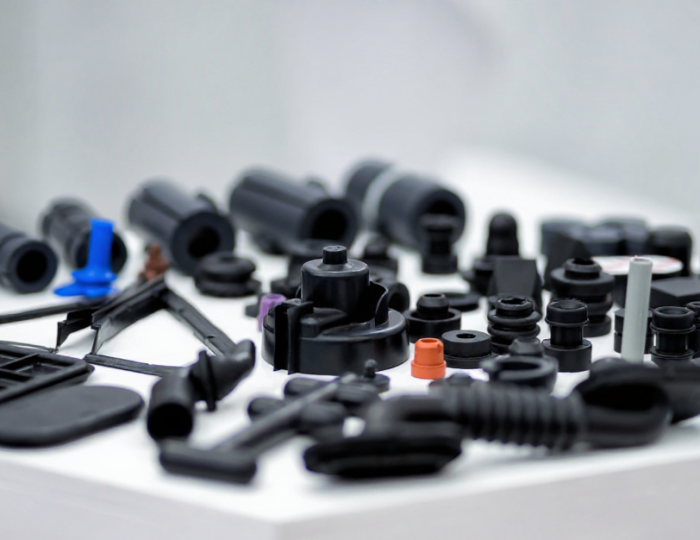
The shift toward “lightweighting” to extend battery range in electric vehicles has made high-performance polymers indispensable. Automotive injection molding serves as the primary technology for producing these essential parts. By utilizing advanced engineering resins, manufacturers can produce components that offer structural integrity comparable to metal but at a significantly lower weight.
This process is not limited to simple shapes; it allows for the consolidation of multiple functions into a single molded unit. This reduction in part count minimizes assembly time and potential failure points, which is a critical requirement for Tier 1 and Tier 2 suppliers. Whether for luxury brands like Ferrari and BMW or electric innovators such as Tesla and BYD, the ability to produce reliable, cost-effective plastic parts with zero compromise on quality is the hallmark of a successful production program.
Technical Capabilities for Injection Molding Automotive Parts
For engineers who focus on high-precision applications, the technical specifications of a manufacture partner are of paramount importance. Livepoint Tooling operates a vertically integrated system that prioritizes dimensional accuracy and repeatability across millions of cycles. The facility is IATF 16949 and ISO 9001:2015 certified, ensuring compliance with global automotive quality standards.
Technical highlights of the manufacture process include:
Tight Tolerance Control: The use of advanced 3D CAD design and CAE flow analysis ensures that molds achieve tight tolerances, accurate part fit, and consistent quality. This rigorous approach reduces defects and rework during demanding production runs.
Specialized Tooling: Deep expertise in multi-cavity molds and hot runner systems enables the efficient manufacture of complex components. These systems allow for shorter cycle times and lower unit costs without sacrificing the structural integrity of the final part.
Surface Finish Quality: For visible interior and exterior parts, achieving “Class-A” surfaces is essential. The process supports various textures and finishes, ensuring that decorative trims and functional buttons meet strict aesthetic requirements.
Material Science Mastery for Diverse Vehicle Applications
The choice of material is driven by mechanical, thermal, and regulatory demands. Livepoint Tooling supports automotive projects with a wide range of application-specific resins to ensure optimal performance. In the interior sector, ABS and PC-ABS blends are standard for dashboards, control buttons, and decorative trims. These materials are chosen for their high heat resistance and smooth finish, which are ideal for painting or texturing.
Under-the-hood components, such as engine covers and air intake systems, require even more robust solutions. Nylon is frequently used due to its high heat and chemical resistance, maintaining its stiffness even under the harsh conditions of an engine compartment. For lighting systems, PC (Polycarbonate) is utilized for headlamp lenses because of its high impact resistance and optical clarity, though it often requires hard coating for UV protection. Additionally, TPE and TPV materials are used in rubber injection molding to create durable, flexible seals and gaskets that are easier to process and fully recyclable compared to traditional rubber.
Advanced Capabilities in Injection Molding Automotive Parts
Beyond standard molding, specialized techniques are required for complex automotive assemblies. Overmolding is a key capability that enables the creation of multi-material components, combining rigid plastics with soft elastomers for functional designs. This is particularly useful for parts that require integrated grips or vibration dampening.
Furthermore, precision CNC machining supports the production of tooling components and low-volume parts that require exceptionally tight tolerances. This flexibility allows for a seamless transition from the prototyping stage to mass production. By maintaining all molds in-house, the facility reduces potential downtime and ensures long-term performance throughout the production lifecycle. This single-source responsibility is a major advantage for purchasing managers who need to maintain stable production and reduce supply chain risks.
The Importance of a Reliable Partnership with Livepoint Tooling
In the B2B sector, the value of a manufacture partner is measured by their responsiveness and technical support. Livepoint Tooling provides 24/7 technical support with a response time of less than one hour, addressing the tight lead times typical of the automotive industry. With a track record of manufacturing over 500 million parts and serving more than 200 customers, the company has established itself as a cornerstone for global OEM and Tier suppliers.
Their experience spans across luxury, performance, and volume brands, including Volkswagen, Peugeot, and Honda. This breadth of experience allows the team to meet diverse technical requirements, whether for a complex charge port bracket for a Tesla or precision tooling for a Peugeot assembly. By providing a comprehensive quote within 24 hours, the company enables R&D teams to accelerate their time-to-market.
Summary: Engineering the Future of Transportation
The future of the automotive industry depends on the integration of smart design and precision manufacture. For professionals in charge of R&D and procurement, choosing a partner who understands the nuances of automotive injection molding is essential for project success. The combination of advanced material science, rigorous quality control, and a focus on production efficiency ensures that every component meets the highest industry standards.
By leveraging over two decades of experience and a commitment to innovation, Livepoint Tooling helps its clients build world-changing products. From the initial functional prototype to the stable production of high-volume interior, exterior, and under-the-hood systems, the focus remains on delivering reliable, precision-molded parts. In an industry where every millimeter and every gram counts, technical excellence is the only path toward long-term growth and success. This dedication to quality and service makes the company an essential foundation for the next generation of global mobility solutions.
