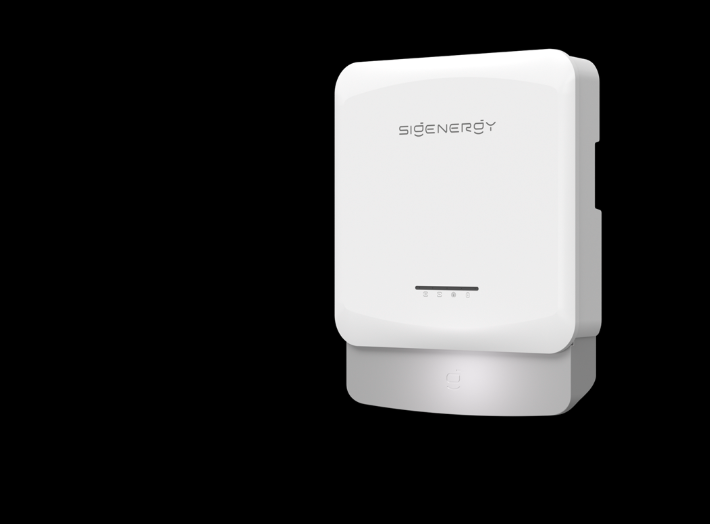
Hybrid solar inverters come in different electrical configurations designed for specific residential and commercial applications. Understanding the differences between single-phase and three-phase hybrid solar inverters helps homeowners and businesses select the optimal system for their electrical infrastructure and energy requirements. These specifications fundamentally affect installation compatibility, power delivery capabilities, and system performance.
Single-Phase Hybrid Solar Inverters: Residential Standard
Single-phase hybrid solar inverters represent the standard configuration for typical residential properties. Most homes in North America and many international regions receive single-phase electrical service—a simplified two-wire system delivering alternating current at standard household voltage. Single-phase hybrid solar inverters work seamlessly with existing residential electrical infrastructure without requiring specialized upgrades.
Single-phase systems deliver power through one electrical phase, simplifying installation and reducing equipment complexity. These hybrid inverters typically range from 3 to 10 kilowatts, sufficient for average household consumption and solar generation requirements. Single-phase hybrid solar inverters cost less than three-phase equivalents, making them economically practical for residential installations.
The primary limitation of single-phase systems emerges when household electrical loads are unbalanced or when future expansion requires substantial additional capacity. Single-phase hybrid solar inverters concentrate all power delivery through one electrical pathway, potentially creating efficiency losses if consumption patterns become significantly unbalanced.
Three-Phase Hybrid Solar Inverters: Commercial and Advanced Residential
Three-phase hybrid solar inverters distribute electrical power across three separate phases simultaneously, delivering more balanced power distribution and higher capacity. These systems are standard in commercial installations, industrial facilities, and larger residential properties with complex electrical requirements. Three-phase service requires specialized utility connection and more sophisticated electrical infrastructure.
Three-phase hybrid solar inverters deliver substantially higher power capacity—often 20 kilowatts or more—making them suitable for energy-intensive applications. The three-phase configuration distributes electrical loads across multiple pathways, enabling more balanced and efficient power delivery. Commercial facilities, large farms, and industrial operations depend on three-phase hybrid solar inverters for reliable, efficient operations.
The primary disadvantage of three-phase systems involves higher equipment costs, more complex installation procedures, and requirements for specialized electrical infrastructure. Typical residential properties rarely justify three-phase installation unless planning significant future expansion or operating multiple high-power devices simultaneously.
Key Differences Summary
Single-phase systems offer simplicity, affordability, and compatibility with standard residential electrical service, while three-phase systems provide higher capacity, better load balancing, and superior efficiency for demanding applications. Your choice depends on electrical infrastructure availability, power requirements, and future expansion plans.
Conclusion
Single-phase hybrid solar inverters suit most residential properties seeking simplicity and affordability, while three-phase systems serve commercial and advanced residential applications requiring higher capacity and sophisticated load management. Sigenergy offers both single-phase and three-phase versions of the Sigen Hybrid Inverter, enabling homeowners and businesses to select the optimal configuration for their specific electrical infrastructure and energy requirements. With these versatile options, Sigenergy ensures every customer finds the perfect hybrid solar inverter match for their unique circumstances.
