As the market for residential energy storage solutions rapidly expands, developers, distributors, and installers face the critical challenge of selecting a manufacturing partner that guarantees product quality, uncompromising safety, and long-term reliability. A poor choice can lead to high maintenance costs, safety liabilities, and reputational damage.
Evaluating a residential energy storage system company requires a rigorous assessment across three pillars: Certifications (Safety & Compliance), Core Technology (Performance & Longevity), and Global Service (Reliability & Support).
HiTHIUM, with its specialization in high-cycle LFP stationary storage, provides a benchmark for this evaluation, offering products and services designed to minimize risk and maximize the long-term value of the installed asset.
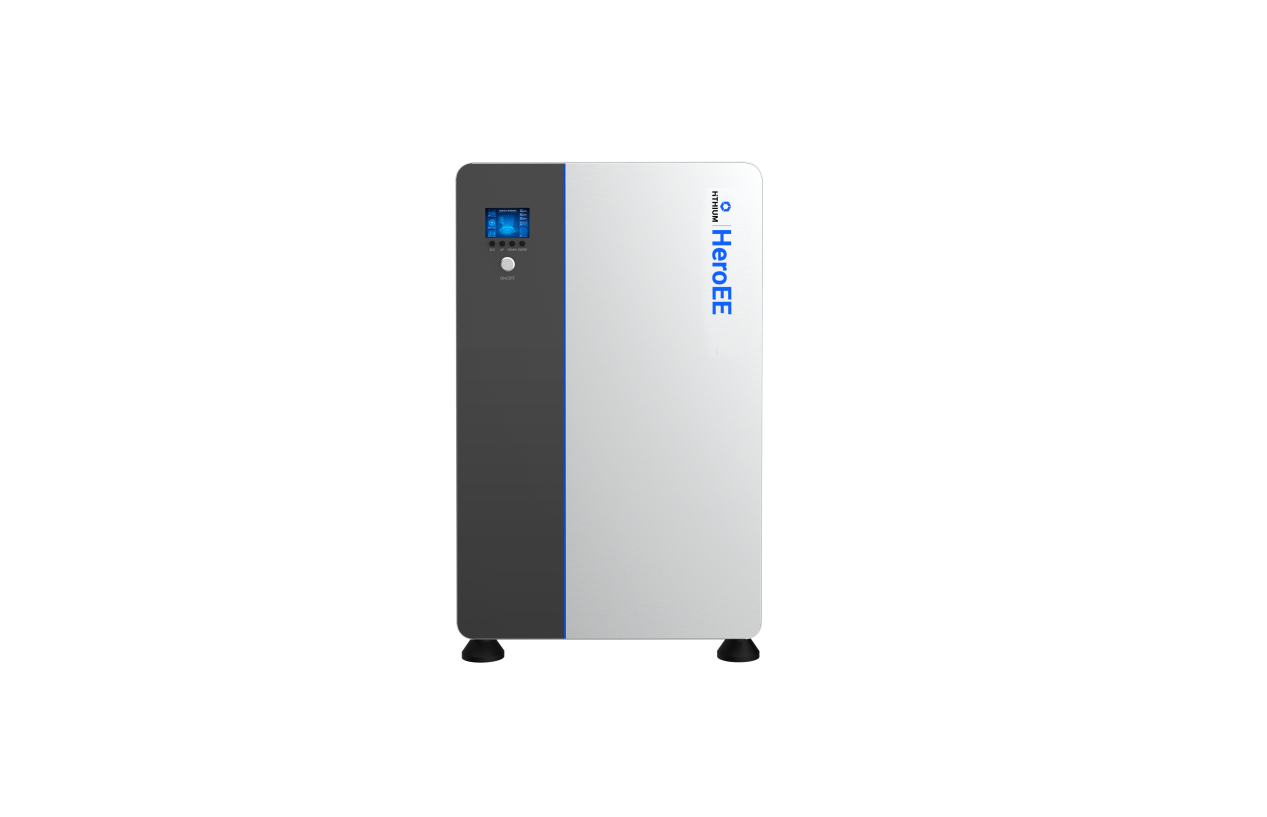
Product Spotlight: The HiTHIUM HeroEE MaxPower 8 AIO
The HiTHIUM HeroEE MaxPower 8 AIO is a prime example of a residential energy storage system that must meet the most stringent criteria. As an all-in-one unit combining the battery and inverter, it simplifies installation while demanding the highest levels of safety and integration. The unit, which offers 8 kWh capacity and a 5 kW AC output, embodies the need for reliable performance, making it the perfect model to assess a manufacturer’s capabilities across the key evaluation criteria.
Certifications: The Absolute Standard for Safety and Compliance
The foundation of any credible residential energy storage solution is third-party certification, particularly regarding fire safety. These certificates are non-negotiable requirements for installation and insurance.
UL 9540 (System Safety): This is the fundamental safety standard for the entire Energy Storage System (ESS), covering its construction, electrical components, and overall safety performance. Certification to UL 9540 ensures the system is built correctly and its electronics are safe.
UL 9540A (Fire Propagation Testing): Crucially, a company must provide verifiable data from the UL 9540A test method. This method determines the system’s ability to prevent thermal runaway (fire) from spreading from a single failed cell to adjacent cells or modules. HiTHIUM is noted for its stringent testing methods, including complex real-world simulations, to demonstrate that its passive containment measures can stop propagation, often minimizing or eliminating the need for costly external fire suppression measures in residential settings.
UL 1973 (Battery Safety): This standard focuses specifically on the safety of the battery pack itself. Confirmation that a product has met UL 1973 ensures the core LFP chemistry and battery management system (BMS) are safe and durable for stationary use.
By insisting on products certified to UL 9540, UL 9540A, and UL 1973 (in addition to international standards like CE and UN 38.3), installers can be confident in the compliance and long-term safety of the solution.
Core Technology: Performance, Longevity, and Design
Beyond regulatory compliance, the underlying battery technology determines the system’s economic viability and performance life. High-quality residential energy storage systems should be evaluated on the following:
Cell Life and Cycle Count: The lifespan of a system is measured in charge/discharge cycles. HiTHIUM products, built on proprietary prismatic LFP cells, boast an industry-leading 11,000-cycle lifetime for its core cells. This ultra-long life dramatically lowers the Levelized Cost of Storage (LCOS), guaranteeing that the asset will perform reliably for well over a decade, providing maximum return on investment.
Chemistry: Lithium Iron Phosphate (LFP) is the preferred chemistry for residential energy storage solutions due to its superior thermal stability and intrinsic safety compared to other lithium-ion chemistries. A focus on LFP indicates a company prioritized safety and longevity over marginal increases in energy density.
Integration and Cooling: Systems like the HeroEE MaxPower 8 AIO must demonstrate effective thermal management. Poorly managed heat degrades the battery lifespan. For residential applications, while natural cooling is often used, high-performance designs minimize heat, ensuring the battery operates within its optimal temperature range to maximize the specified 11,000-cycle life.
Integration Flexibility: The quality of the BMS and the inverter determines the system’s compatibility. A manufacturer must ensure that their batteries (or AIO systems) are compatible with a wide range of PV inverters to give installers maximum flexibility in system design.
Global Service: Supply Chain and Support
Reliability extends beyond the product itself to the manufacturer’s ability to support its customers and products across continents.
Manufacturing and Quality Control: Choose a partner like HiTHIUM that specializes solely in stationary energy storage. This dedicated focus translates into tighter quality control, higher efficiency, and a dedicated R&D pipeline for BESS technology, distinguishing them from multi-sector conglomerates.
Warranty and Guarantees: A standard RESS warranty should cover at least 10 years, with a minimum guaranteed capacity retention (e.g., 70% or 80% of original capacity) after the warranty period or number of cycles. A strong, transparent warranty is a direct reflection of a manufacturer’s confidence in its technology.
Technical Support: An installer needs responsive, localized technical support for commissioning, troubleshooting, and warranty claims. A manufacturer with a global footprint and dedicated regional support teams provides a massive advantage over partners with only remote, centralized services.
In summary
By applying this three-pronged evaluation framework—rigorous safety certifications, commitment to ultra-long-life LFP technology, and robust global support—installers can confidently select a partner like HiTHIUM to deliver premium, reliable residential energy storage systems that stand the test of time and market scrutiny.
