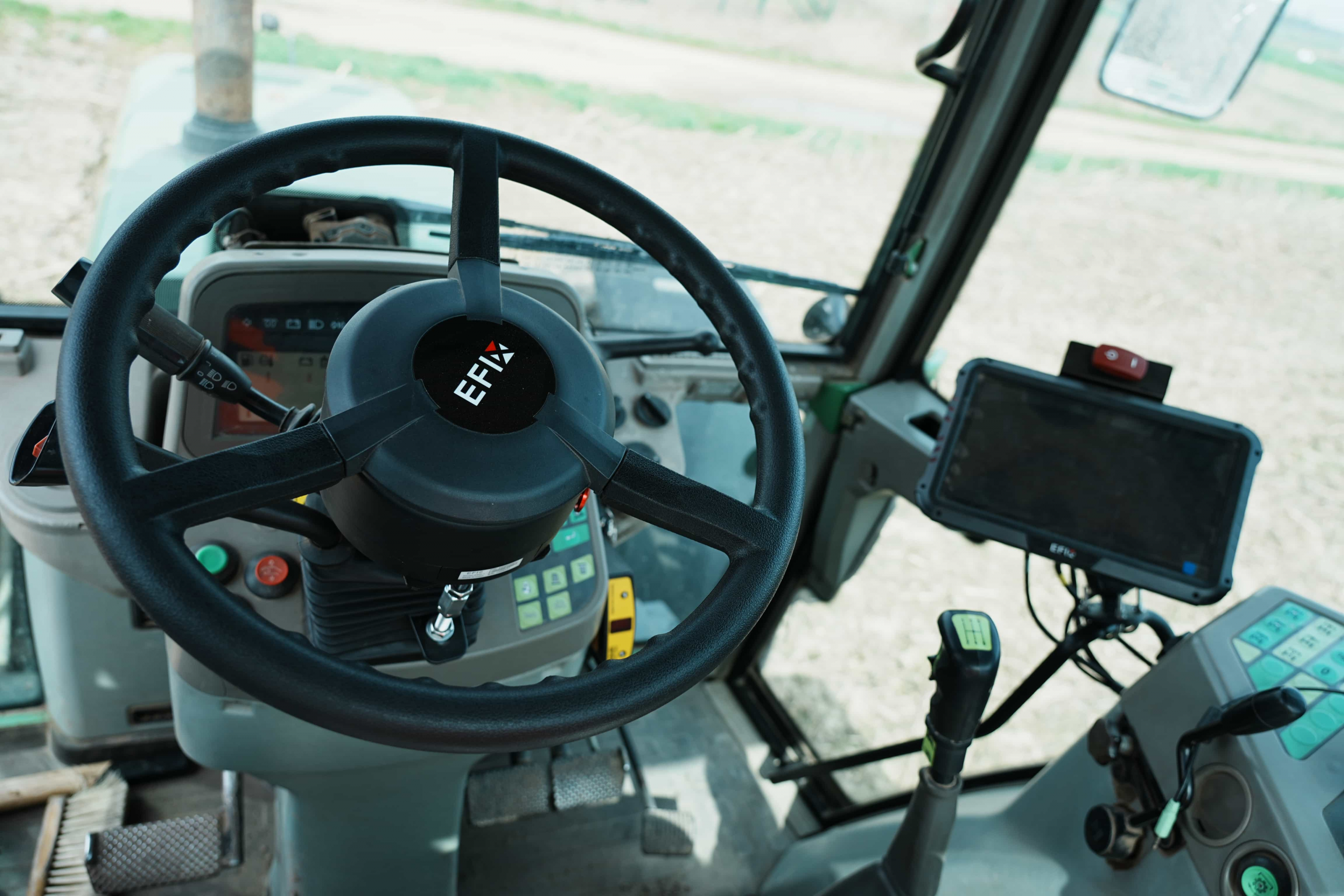
Modern farms are under pressure to use resources more efficiently while maintaining stable yields. One practical solution comes from tractor auto steering, which allows agricultural machines to follow precise paths with minimal deviation. By reducing overlap and missed areas during operations such as seeding, spraying, and fertilizing, this technology directly lowers unnecessary input use. When machinery moves consistently along planned tracks, fuel consumption, seed waste, and chemical overapplication can be better controlled, supporting more sustainable field management.
Reducing Overlap Through Smarter Steering Control
One of the main causes of input waste in farming is repeated coverage of the same field sections. With tractor auto steering, tractors maintain steady lines even in low-visibility conditions, helping operators avoid overlapping passes. This improves accuracy during long working hours and reduces reliance on manual correction. As a result, fertilizers and crop protection products are applied only where needed, limiting excess use. These improvements are particularly relevant when paired with compatible control systems that manage both guidance and implement behavior in a coordinated way.
Integrated Implement Management in Real Operations
To further support efficient fieldwork, guidance systems increasingly rely on standardized communication protocols. EFIX provides solutions that include ISOBUS UT and Section Control, allowing implements to be managed from a single terminal. Their eSteer 10 features AEF-certificated ISOBUS UT and SC functions, which help farmers monitor and control connected tools more clearly during operation. By coordinating steering accuracy with automatic section management, input distribution becomes more consistent, especially on irregularly shaped fields.
Conclusion: Practical Steps Towards Lower Input Waste
Reducing input waste is not only about cutting costs but also about improving overall field efficiency. Tractor auto steering contributes by limiting overlap, stabilizing machine paths, and supporting better use of resources throughout the season. When combined with standardized implement control, these systems help operators make more precise decisions without adding complexity. Over time, such approaches can support more balanced farm management while maintaining reliable operational outcomes.
