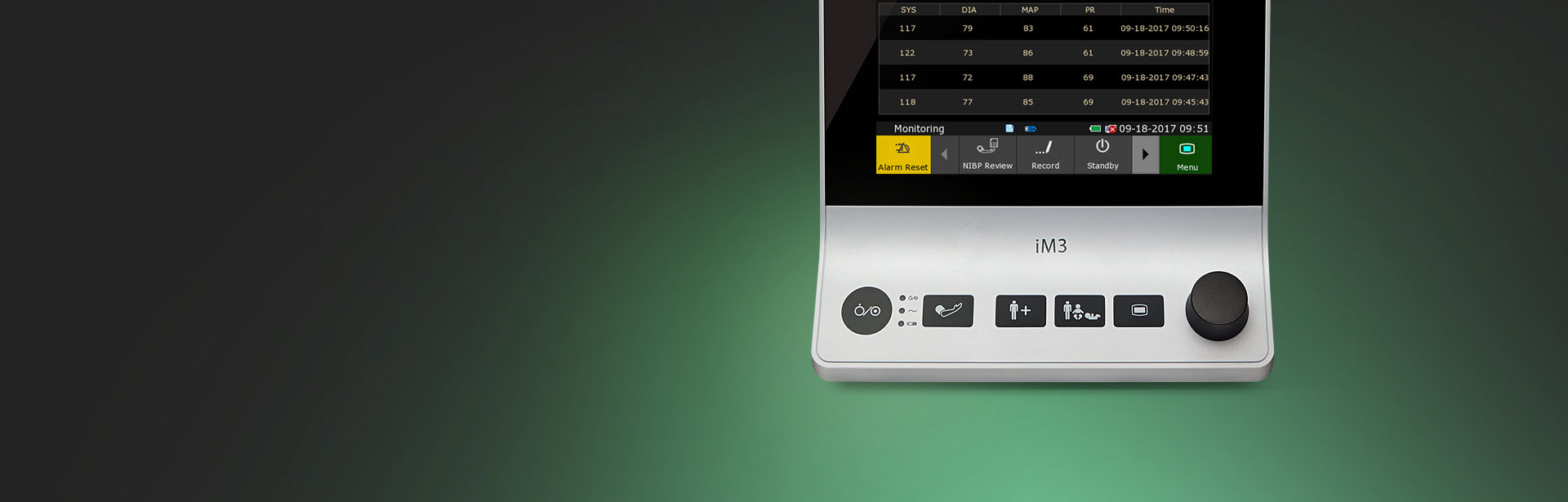
Rapid Response Teams (RRT) rely on accurate, swift assessment of patient status to make critical decisions in high-pressure moments. In clinical environments where each second counts, having dependable monitoring tools at hand is fundamental. Devices like the hospital patient monitor are essential in gathering real-time data, but when mobility is key, portable solutions play a distinct role. One example of advanced portable monitoring technology is the EDAN iM3 Vital Signs Monitor, designed to deliver vital signs data wherever it’s needed.
The Importance of Mobility in Rapid Response Situations
Rapid Response Teams frequently encounter patients outside of critical care units, such as on general wards, in emergency departments, or during inter-department transfers. In these settings, traditional bedside hospital patient monitor units may not always be accessible. Portable monitoring tools provide teams with the flexibility to assess vital parameters quickly and move with the patient if needed. Having immediate access to measurements like blood pressure and oxygen saturation ensures that life-saving interventions are based on current physiological information.
Key Advantages of Portable Monitoring in RRT Workflows
A portable vital signs monitor empowers clinicians to perform measurements efficiently without waiting for fixed infrastructure. These devices typically offer multiple operating modes, allowing teams to switch seamlessly between spot checks and continuous observation. Integrated scoring systems help interpret early warning signs, supporting swift clinical decisions. Their lightweight design and battery operation mean they can be deployed almost anywhere, enabling RRT personnel to focus on patient assessment rather than locating stationary equipment.
The Role of EDAN’s iM3 in Supporting RRT Efficiency
The EDAN iM3 merges the accuracy expected from a hospital patient monitor with the convenience of portability. Featuring adaptable work modes tailored to various clinical scenarios, real-time data displays, and connectivity options for data transfer, the iM3 enhances how teams gather and view vital signs information on the go. Its intuitive interface and lightweight build make it particularly useful for rapid assessments when time is short.
Conclusion
When every heartbeat matters, the integration of portable monitoring into rapid response protocols strengthens clinical workflows. By combining mobility with robust data capture, devices like the EDAN iM3 ensure that RRTs are equipped to assess, interpret, and act with confidence in critical moments.
