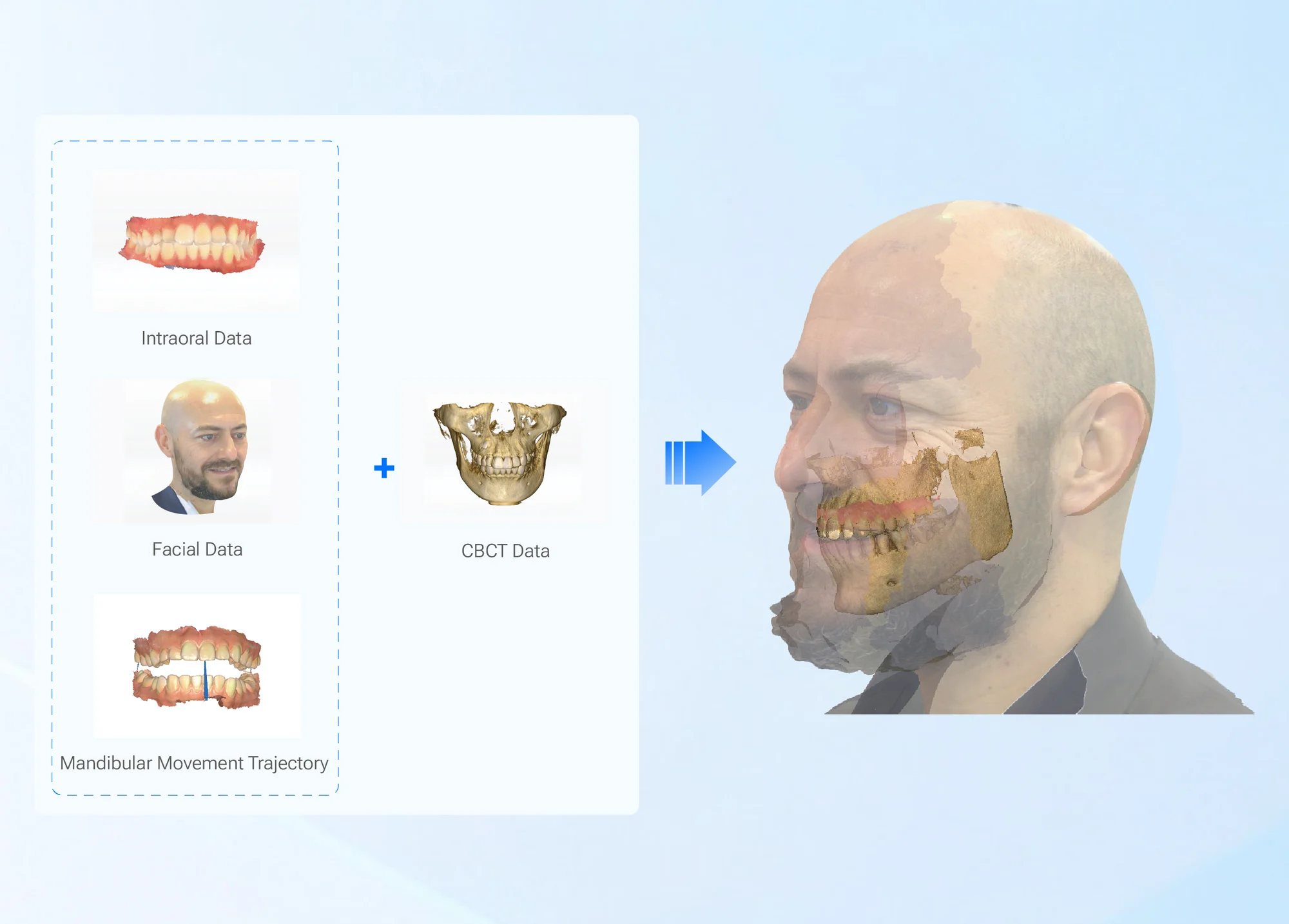
Modern dentistry is moving beyond static impressions and traditional occlusal assessments. While conventional examinations provide valuable information about tooth position and bite relationships, some complex cases require a deeper understanding of how the jaw functions during movement. This is where jaw movement analysis becomes an important diagnostic tool.
The jaw is a dynamic system involving teeth, muscles, and temporomandibular joints (TMJs). Evaluating only the final bite position may overlook problems that appear during opening, closing, chewing, or lateral movements. By analyzing real-time movement patterns, clinicians can gain additional insights for diagnosis and treatment planning.
For dental professionals managing complex restorative, implant, or occlusal cases, identifying when to use motion analysis can help improve treatment predictability and patient outcomes.
Common Signs That Indicate the Need for Jaw Movement Analysis
- Unclear Occlusion Problems After Traditional Evaluation
One of the most common reasons clinicians consider jaw movement analysis is when patients experience discomfort or functional issues despite apparently acceptable static occlusion.
A patient’s teeth may appear properly aligned when the mouth is closed, but problems can occur during actual mandibular movement. These issues may include uneven contact patterns, abnormal movement trajectories, or instability during function.
By recording mandibular movement, clinicians can observe how the lower jaw moves in three dimensions and identify functional relationships that may not be visible through traditional bite analysis.
- Complex Restorative and Prosthetic Cases
Patients requiring extensive restorations, full-mouth rehabilitation, or implant-supported prostheses often need precise evaluation of jaw dynamics.
In these cases, an accurate jaw relation record is essential because the relationship between the upper and lower jaw affects occlusion, restoration design, and long-term stability. Traditional methods can capture static relationships, but dynamic information provides a more complete picture of functional behavior.
Digital motion tracking allows clinicians and dental laboratories to better understand how restorations should interact with natural jaw movement.
- Patients Showing Signs of Temporomandibular Joint Issues
Patients with possible temporomandibular disorders (TMD) may present symptoms such as jaw clicking, limited opening, deviation during movement, or discomfort around the jaw joint.
A static examination alone may not fully explain these symptoms. Evaluating mandibular movement helps clinicians review movement coordination, symmetry, and the relationship between condylar and incisal motion.
Advanced digital systems can combine movement data with other patient information to support more comprehensive diagnosis and treatment planning.
How Accurate Jaw Relation Records Support Better Treatment Planning?
- The Importance of Dynamic Occlusal Information
A traditional jaw relation record provides information about the relationship between the maxilla and mandible at a specific position. However, the jaw does not remain stationary during daily activities such as speaking, eating, and chewing.
Dynamic analysis adds another layer of clinical information by showing how the mandible travels through different movements. This helps clinicians evaluate functional occlusion rather than relying only on a single static position. For complex dental cases, combining static records with movement data can improve communication between dentists and laboratories.
- Digital Workflow With Real-Time Mandibular Movement Tracking
SHINING 3D DENTAL develops digital solutions designed to integrate multiple types of dental data into a unified workflow. Its e-Motion Workstation is an all-in-one digital platform designed for high-precision jaw relation record acquisition and real-time mandibular movement capture.
The e-Motion system combines intraoral scanning, facial data acquisition, and jaw motion tracking within one coordinated workflow. This enables clinicians to create a dynamic virtual patient model for diagnosis, treatment planning, and restorative design.
What Makes SHINING 3D DENTAL e-Motion a Valuable Solution?
The e-Motion Workstation supports clinicians who need more detailed information for challenging dental cases. Instead of analyzing isolated data sources, the system aligns multiple digital records within a single coordinate system.
Its workflow allows professionals to capture mandibular movement trajectories, evaluate occlusal dynamics, and integrate movement information into digital treatment planning.
For dental laboratories and clinics, this approach can improve collaboration by allowing movement-related data to be transferred into design workflows, including compatibility with platforms such as exocad.
The system also supports comprehensive analysis of condyle and incisal edge movement. Through three-dimensional visualization, clinicians can evaluate movement coordination, occlusal symmetry, and stability for more informed clinical decisions.
When Should Dental Clinics Consider Adding Motion Analysis?
Not every dental case requires advanced movement tracking. However, clinics may benefit from jaw movement analysis when treating:
- Full-mouth rehabilitation cases
- Complex implant restorations
- Extensive prosthetic treatments
- Patients with occlusal instability
- Cases requiring detailed functional evaluation
- Patients showing possible TMJ-related concerns
In these situations, understanding the relationship between static occlusion and dynamic function can provide valuable clinical advantages.
The Future of Digital Dentistry: From Static Records to Dynamic Patients
Dental technology continues to evolve from traditional two-dimensional assessments toward comprehensive digital workflows. A complete patient evaluation increasingly requires understanding not only what the teeth look like but also how the jaw functions.
A precise jaw relation record combined with real-time mandibular movement data allows clinicians to build a more complete picture of each patient’s oral condition.
With solutions such as the SHINING 3D DENTAL e-Motion Workstation, dental professionals can incorporate dynamic information into modern digital dentistry workflows. By improving diagnostic capabilities and treatment planning accuracy, jaw motion analysis is becoming an increasingly valuable tool for advanced clinical applications.
