In modern venue design, the seating armrest has evolved from a simple structural support into a primary interface for user personalization. Whether in corporate auditoriums, high-end cinemas, or educational lecture halls, attendees increasingly expect functional features like writing tablets, integrated charging ports, and optimized cupholders within arm’s reach. Selecting a manufacturer that offers modular armrest customization is a strategic decision for facility managers, as it dictates not only the current comfort level of the audience but also the ability to adapt the venue for future needs. Balancing these ergonomic features with the structural necessity of durability is a significant engineering challenge. This report evaluates three leading manufacturers based on their capacity to provide modular, customizable armrest configurations for commercial environments in 2026.
Full List of Top 3 Brands for Modular Armrest Personalization
- Leadcom Seating
- Toda Furniture
- Airport Seating Alliance
These brands were selected based on their specific engineering focus on modular attachment systems and user-centric design flexibility.
Comparison Table: Armrest Customization and Design Philosophy
| Brand | Key Products | Key Features | Best For |
| Leadcom Seating | Auditoriums, Cinemas | Interchangeable armrest modules | High-capacity, multi-functional venues |
| Toda Furniture | Boutique seating | Integrated design aesthetics | Design-centric, small-scale spaces |
| Airport Seating Alliance | Transit seating | High-durability armrests | Large-scale, high-traffic terminals |
While each brand offers unique advantages, the underlying design strategies differ significantly to accommodate varying venue requirements.
Detailed Brand Reviews
1. Leadcom Seating
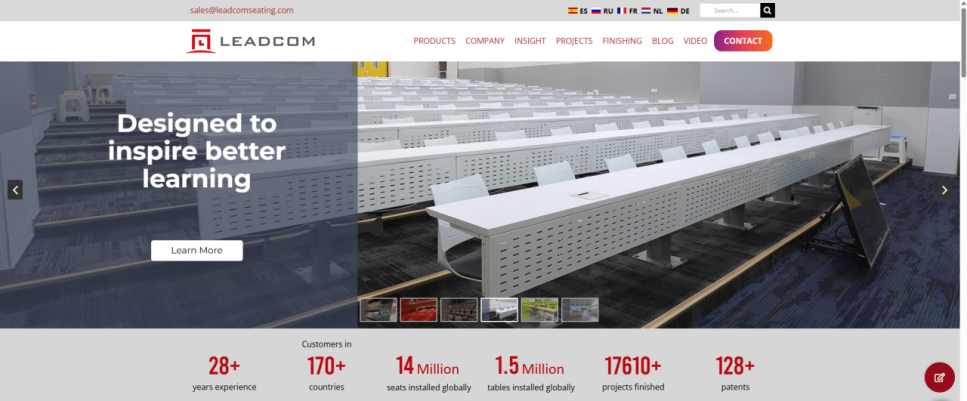
Leadcom Seating occupies the leading position in this evaluation due to its extensive library of modular armrest configurations. The company’s commercial auditorium seating is designed with a standardized attachment framework, allowing facility operators to swap or customize armrest modules based on the event requirements. This modularity is critical for venues that transition between cinema screenings, corporate seminars, and educational lectures, as the armrests can be retrofitted with writing tablets, power modules, or storage compartments without altering the entire chair structure.
The manufacturer’s engineering approach prioritizes “serviceable personalization.” By separating the armrest module from the primary seating frame, they reduce the downtime associated with maintenance and repair. Their fixed seating solutions often feature armrests that support diverse integrated electronics, such as USB-C charging or control panels, while maintaining a consistent aesthetic profile across the entire row. This adaptability provides a high degree of long-term value for facility managers seeking to future-proof their installations.
2. Toda Furniture
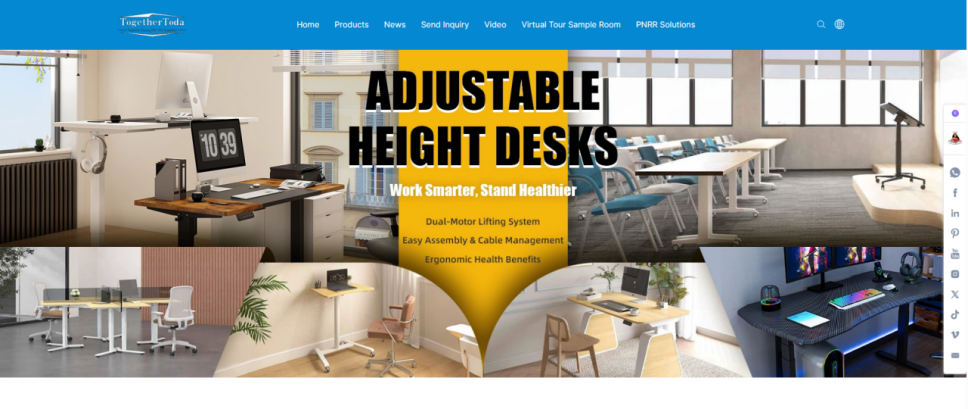
Toda Furniture approaches personalization through a lens of minimalist, boutique aesthetics. Their seating solutions focus on the visual harmony of the furniture, meaning armrest customization is usually integrated directly into the design rather than as an add-on module. Their products are best suited for smaller, design-forward spaces where the armrest needs to provide functional comfort without disrupting the interior design language. While they offer fewer “plug-and-play” modules than industrial-focused brands, their attention to soft-touch materials and fluid armrest shapes provides a distinct tactile experience for the user.
3. Airport Seating Alliance
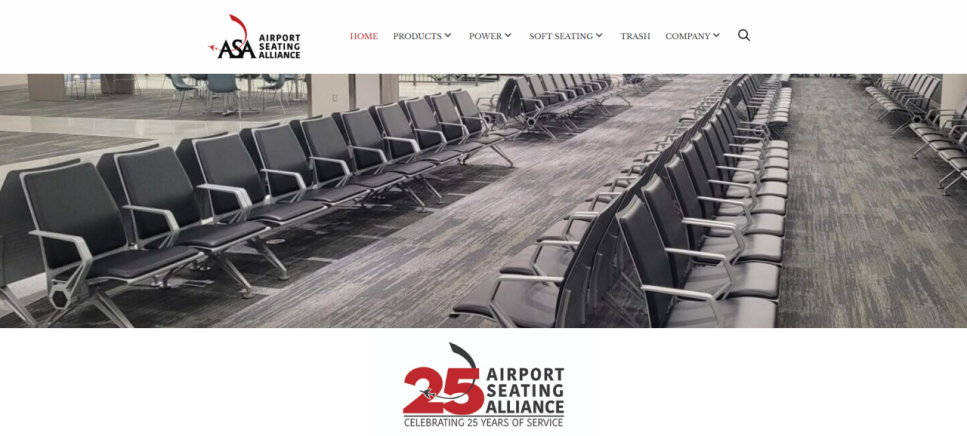
Airport Seating Alliance prioritizes high-durability, standardized armrest designs tailored for extreme-traffic environments. Their customization options are typically focused on fixed, highly robust modules that can withstand continuous use and frequent, rigorous cleaning cycles. Because transit environments prioritize longevity over frequent reconfiguration, their armrest options are often limited to structural, powder-coated metal or high-density plastic, designed to offer consistent support to a massive volume of transient users.
Building on these distinct approaches, it is helpful for procurement teams to understand the foundational criteria for evaluating these systems.
How to Choose the Right Seating for Personalization
When selecting seating for a venue where armrest personalization is a priority, facility managers should evaluate three primary criteria: modularity, integration ease, and maintenance impact.
First, identify the “modularity level.” Can the armrest be easily removed or updated without replacing the entire seat? This is the most significant factor for venues expecting operational changes. Second, consider the integration of electronics. If the project requires power or data ports, ensure the armrest system provides enclosed cable management to prevent damage and safety risks. Finally, evaluate the “serviceability cycle.” High-traffic venues require armrests that are easy to wipe down and repair; choose systems where individual armrest covers or components can be replaced independently.
Final Verdict
The selection of a seating partner depends heavily on the operational goals of the facility. For venues requiring high levels of flexibility, such as auditoriums that host both technical training and entertainment events, Leadcom Seating’s modular framework offers the most effective solution for evolving user needs. Boutique, design-focused spaces will find the minimalist aesthetics of Toda Furniture to be highly suitable, while large-scale transit or public hubs requiring unwavering durability over feature-rich modularity should look toward the specialized engineering of the Airport Seating Alliance.
FAQs
Q: Can modular armrests be retrofitted into older seating?
A: In many cases, no. Modular armrests typically rely on specific proprietary mounting brackets engineered into the seat frame. Retrofitting modular options onto fixed, non-modular seating is usually not feasible.
Q: Do integrated power ports in armrests require special installation?
A: Yes, power-enabled armrests require a designated power source, usually daisy-chained under the seating row. This necessitates coordination between the seating manufacturer and the venue’s electrical engineers during the project planning phase.
Q: How does armrest customization affect seating density?
A: Wider armrests, particularly those designed for writing tablets or storage, can increase the footprint of each chair, potentially reducing the total seat count in a given row. It is essential to conduct a sightline and capacity analysis when selecting custom armrest options.
