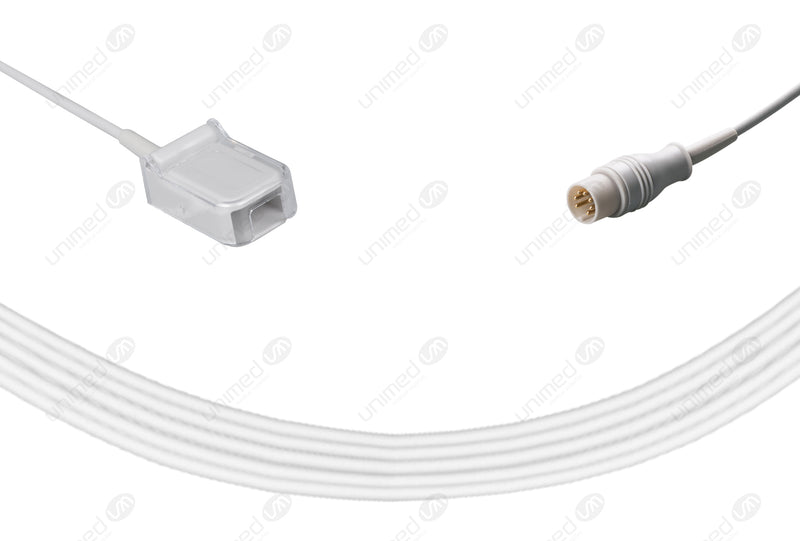
Clinical teams often assess SpO₂ cables based on how they perform during extended daily use rather than relying only on stated specifications. The real clinical lifespan is shaped by repeated connection cycles, cleaning exposure, and compatibility with different monitoring platforms. When evaluating solutions such as nellcor SpO2 sensor, experienced procurement and biomedical staff typically focus on signal continuity and physical wear patterns. A structured evaluation approach helps healthcare facilities align cable replacement decisions with actual clinical demands.
Usage Patterns and Physical Stress Factors
Routine handling plays a significant role in determining cable longevity. Repeated bending near patient connections, tension during transport, and frequent disinfection can gradually affect insulation and internal wiring. A masimo SpO2 sensor used across multiple departments may face different mechanical stress compared with equipment limited to a single care unit. Experienced users often examine strain relief construction, jacket flexibility, and connector stability over time. These observable factors provide practical insight into how long a cable can remain clinically reliable.
Interface Compatibility and System Integration
Compatibility with monitoring systems is another key element when evaluating lifespan. Facilities operating mixed-brand monitors depend on interface cables that maintain consistent signal transmission through repeated use. Schiller Compatible SpO2 Interface Cables are designed to support stable communication while allowing routine connection and disconnection without degrading performance. Unimed offers SpO₂ sensors and interface cables developed for compatibility and durability, with detailed product information available through their official SpO₂ sensor and interface cable collection. For experienced buyers, long-term interface reliability is a meaningful indicator of real-world lifespan.
Conclusion: Practical Evaluation for Long-Term Use
Evaluating the real clinical lifespan of SpO₂ cables requires observing performance under everyday clinical conditions rather than relying solely on technical descriptions. Usage intensity, cleaning protocols, and interface compatibility all contribute to how long cables remain functional. By combining physical inspection with ongoing performance monitoring, healthcare teams can make informed decisions that support consistent patient monitoring and predictable equipment management over time.
